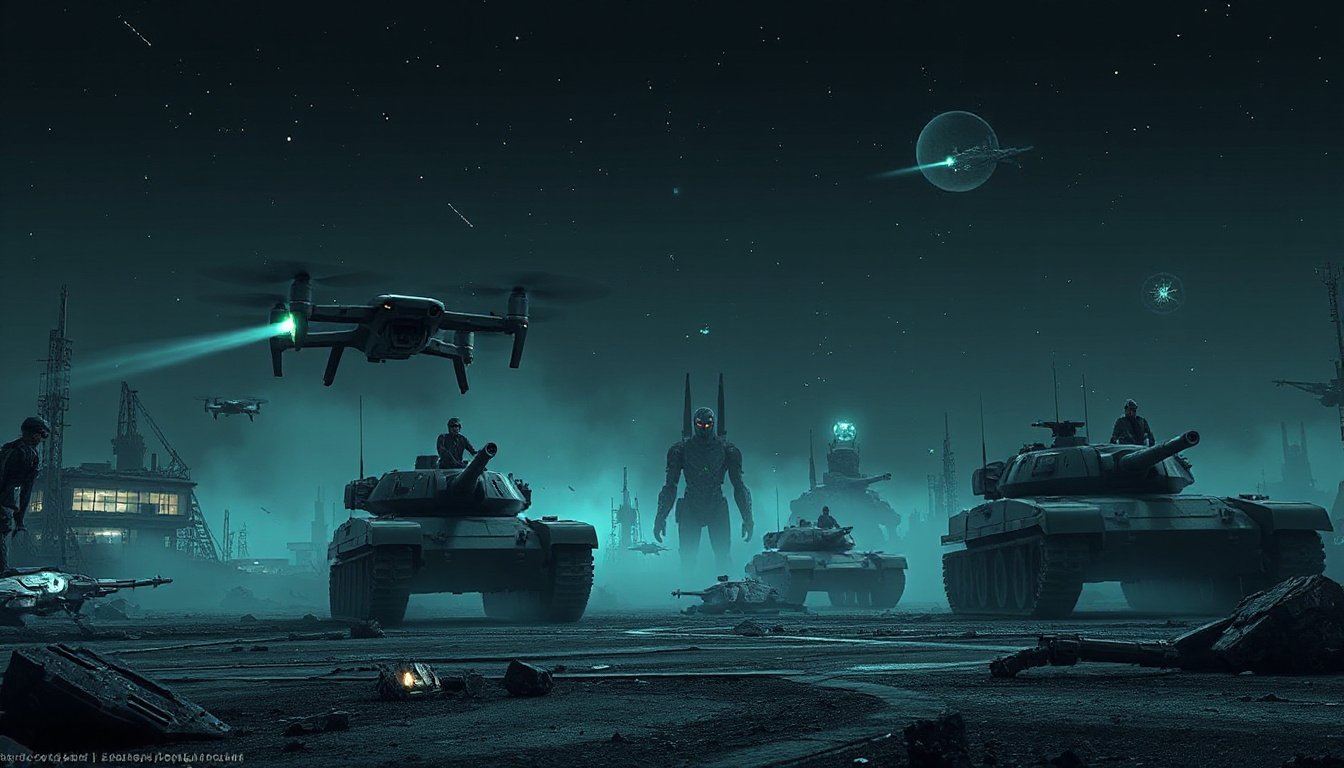
In recent years, autonomous combat vehicles have emerged as a transformative force in modern military strategy, reshaping how wars are fought and won. These advanced technologies represent a significant leap from traditional military vehicles, integrating artificial intelligence and machine learning to execute complex missions without direct human control. With an increasing number of nations investing in this groundbreaking technology, it is crucial to examine the implications of autonomous combat vehicles on warfare, from historical context to future prospects.
Grab your RavenCrest tactical kit here
 Grab your RavenCrest tactical kit here

Future Prospects and Ethical Considerations
As we consider the evolution of autonomous combat vehicles, it’s essential to examine not just their technological potential but also the future prospects and ethical considerations that accompany their deployment. With the integration of advanced AI, these vehicles can operate without direct human oversight, which raises critical questions about accountability in warfare. Will machines make decisions that could endanger lives? How do we ensure that these vehicles adhere to international laws of conflict? As militaries around the globe explore the advantages of enhanced speed and efficiency, the ethical ramifications of automation in combat must be carefully navigated to avoid unintended consequences that could escalate conflicts or result in civilian casualties.
Frequently Asked Questions
What are Autonomous Combat Vehicles?
Autonomous Combat Vehicles are unmanned platforms capable of conducting military operations without direct human control. They utilize advanced technologies such as AI and robotics to perform tasks ranging from surveillance to direct combat.
How have Autonomous Combat Vehicles evolved over time?
The evolution of Autonomous Combat Vehicles can be traced back to early military robotics and drone technology. Over the years, advancements in artificial intelligence, machine learning, and sensor technologies have significantly enhanced their capabilities and operational efficiency.
What are the benefits and challenges associated with Autonomous Combat Vehicles?
Benefits include reduced risk to human soldiers, increased operational efficiency, and enhanced precision in targeting. Challenges encompass ethical concerns regarding accountability, potential loss of human oversight, cybersecurity threats, and the complexities of autonomous decision-making in warfare.
Can you provide examples of Autonomous Combat Vehicles used in modern warfare?
Yes, successful examples include the use of drones for surveillance and targeted strikes, as observed in conflicts in the Middle East. Recent innovations also include robot ground vehicles used for logistics and intelligence gathering.
What are the future prospects and ethical considerations regarding Autonomous Combat Vehicles?
The future of Autonomous Combat Vehicles looks promising with continued advancements in technology. However, ethical considerations such as the moral implications of autonomous decision-making in life-and-death situations, compliance with international laws, and the risk of escalation in conflicts remain critical discussions among military strategists and ethicists.
Tech Aether is your go-to source for in-depth reviews, tutorials, and news on cutting-edge military and space technology. Some of the links in this article are affiliate links, which means we may earn a small commission at no extra cost to you—your support helps keep the lights on (and the rockets fueled!). Want more? Subscribe to our newsletter for weekly deep dives and catch our latest videos on YouTube.