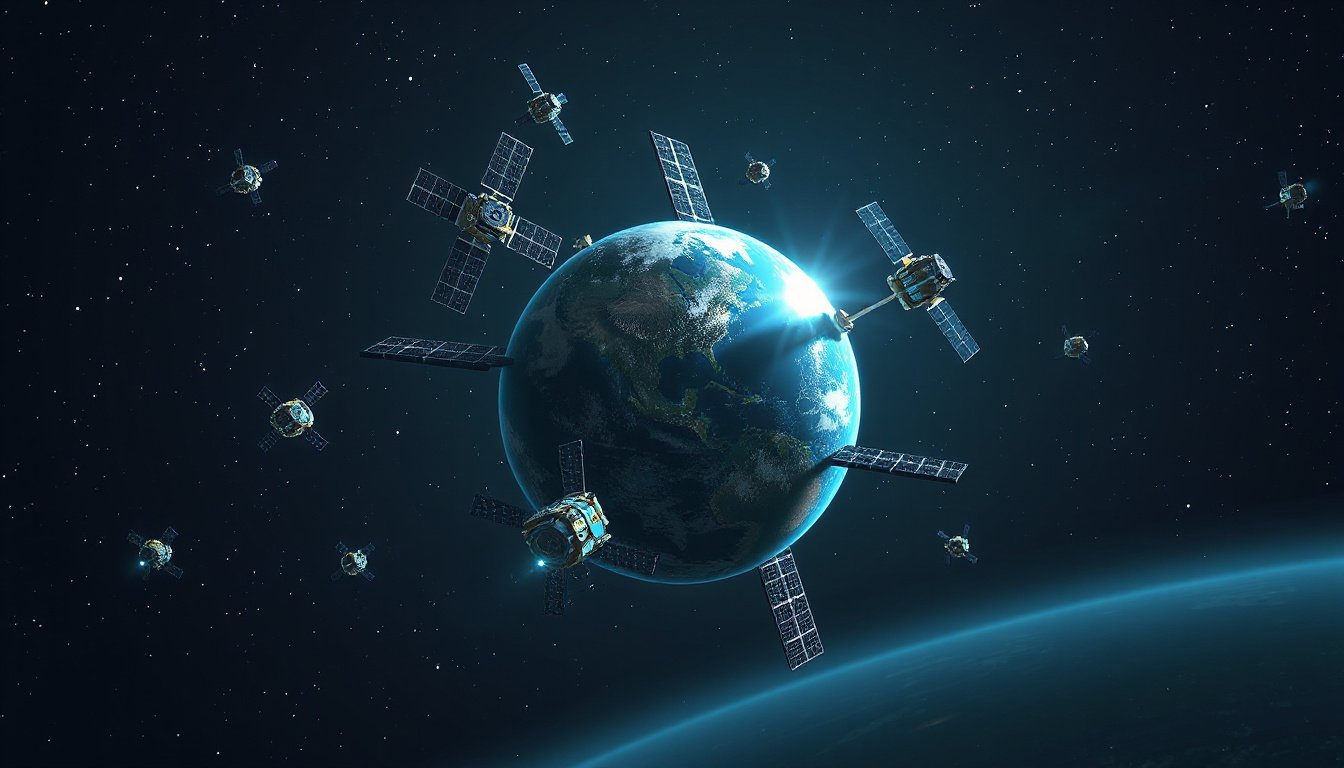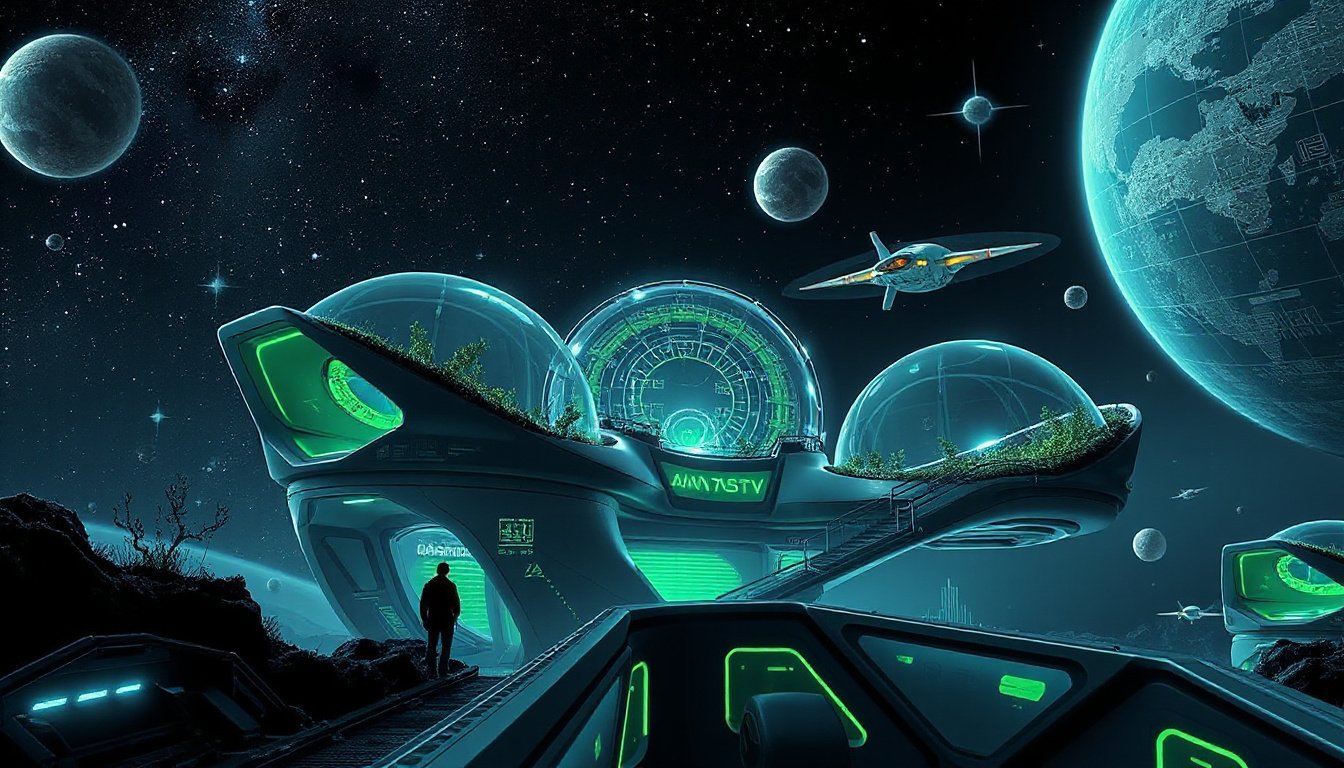
As humanity reaches farther into the cosmos, the concept of living beyond Earth becomes increasingly feasible. This is largely driven by Deep-Space Habitat Designs, which aim to create sustainable and comfortable living spaces for future interstellar explorers. These habitats must not only withstand the rigours of space but also support human life over extended periods. In this article, we will explore the innovative designs breathing life into the future of space habitation.
Grab your RavenCrest tactical kit here
 Grab your RavenCrest tactical kit here

Sustainability in Deep-Space Living
As humanity embarks on the new frontier of interstellar exploration, deep-space habitat designs are taking centre stage, fundamentally influencing how we imagine sustainable living beyond Earth. These pioneering designs are not just about shelter; they are about creating self-sufficient ecosystems that can support human life for long durations. Central to this concept is the integration of renewable energy sources, efficient waste recycling systems, and advanced agricultural methods that leverage aeroponics or hydroponics. Innovations such as 3D-printed habitats, which utilise local materials from asteroids or moons, further encapsulate the spirit of sustainability.
A focus on closed-loop systems ensures that resources such as water and air are continuously purified and recycled, minimising waste and maximising efficiency. As we progress toward missions to Mars and beyond, developing these deep-space habitat designs will not only help mitigate the challenges posed by the harsh environments of space but will also pave the way for establishing a human presence on other celestial bodies.
Ultimately, the commitment to sustainability in deep-space living is not just an engineering challenge but a call to rethink how we coexist with nature, even in the most alien environments.
Technological Challenges and Solutions
As humanity sets its sights on colonising planets beyond Earth, deep-space habitat designs present significant technological challenges and innovative solutions. One of the foremost issues is the need for sustainable life support systems that can function without resupply missions. This involves creating closed-loop ecosystems that recycle air and water while producing food. Innovative hydroponic systems and advanced waste management solutions are currently in development, allowing for a self-sufficient environment in the hostile conditions of space. Furthermore, radiation protection remains critical; designs are being explored that utilise local materials for shielding while also integrating artificial gravity through rotating habitats to counteract the adverse effects of long-term weightlessness. Each of these challenges paves the way for groundbreaking technologies that could establish a viable presence in deep space.

The Future of Interstellar Living and Exploration
As humanity pushes the boundaries of what is possible, deep-space habitat designs are becoming critical for our survival and exploration beyond Earth. Innovative concepts are emerging that not only aim to provide the basic needs of breathable air, water, and nutrition, but also consider psychological and social factors essential for long-term missions. Designs like inflatable habitats and modular compounds are being studied for their ability to adapt to various planetary environments, ensuring crew safety and comfort. Furthermore, integrating sustainable life-support systems will play a pivotal role in making these habitats viable for extended missions. As we turn our eyes toward distant stars, the future of interstellar living and exploration hinges on the successful implementation of these groundbreaking designs.
Frequently Asked Questions
What are deep-space habitat designs?
Deep-space habitat designs refer to the architectural and engineering concepts aimed at creating livable spaces for humans in outer space, particularly environments that are beyond Earth’s atmosphere. These habitats are designed to support human life during long-duration missions, such as those to Mars or other celestial bodies.
What key features should be included in innovative deep-space habitats?
Innovative deep-space habitats should include features such as life support systems for air and water recycling, radiation protection, durable materials suitable for extreme temperatures, modular design for easy scalability, and advanced technology for food production and waste management.
How do sustainability practices apply to deep-space living?
Sustainability in deep-space living focuses on minimizing resource consumption and waste generation. This includes using closed-loop systems for recycling air and water, utilizing renewable energy sources, and ensuring that habitats can produce food locally to reduce the need for resupply missions.
What are some technological challenges faced in developing deep-space habitats?
Technological challenges include creating effective radiation shielding, ensuring reliable life support systems, developing durable materials that can withstand harsh environments, and finding ways to transport and deploy habitats efficiently in space.
What does the future of interstellar living look like?
The future of interstellar living envisions advanced habitats that are self-sustaining, capable of supporting longer missions, and possibly equipped with technologies for terraforming or creating Earth-like environments on other planets. Continuous innovations in engineering, robotics, and resource management will play a crucial role in making this a reality.
Tech Aether is your go-to source for in-depth reviews, tutorials, and news on cutting-edge military and space technology. Some of the links in this article are affiliate links, which means we may earn a small commission at no extra cost to you—your support helps keep the lights on (and the rockets fueled!). Want more? Subscribe to our newsletter for weekly deep dives and catch our latest videos on YouTube.