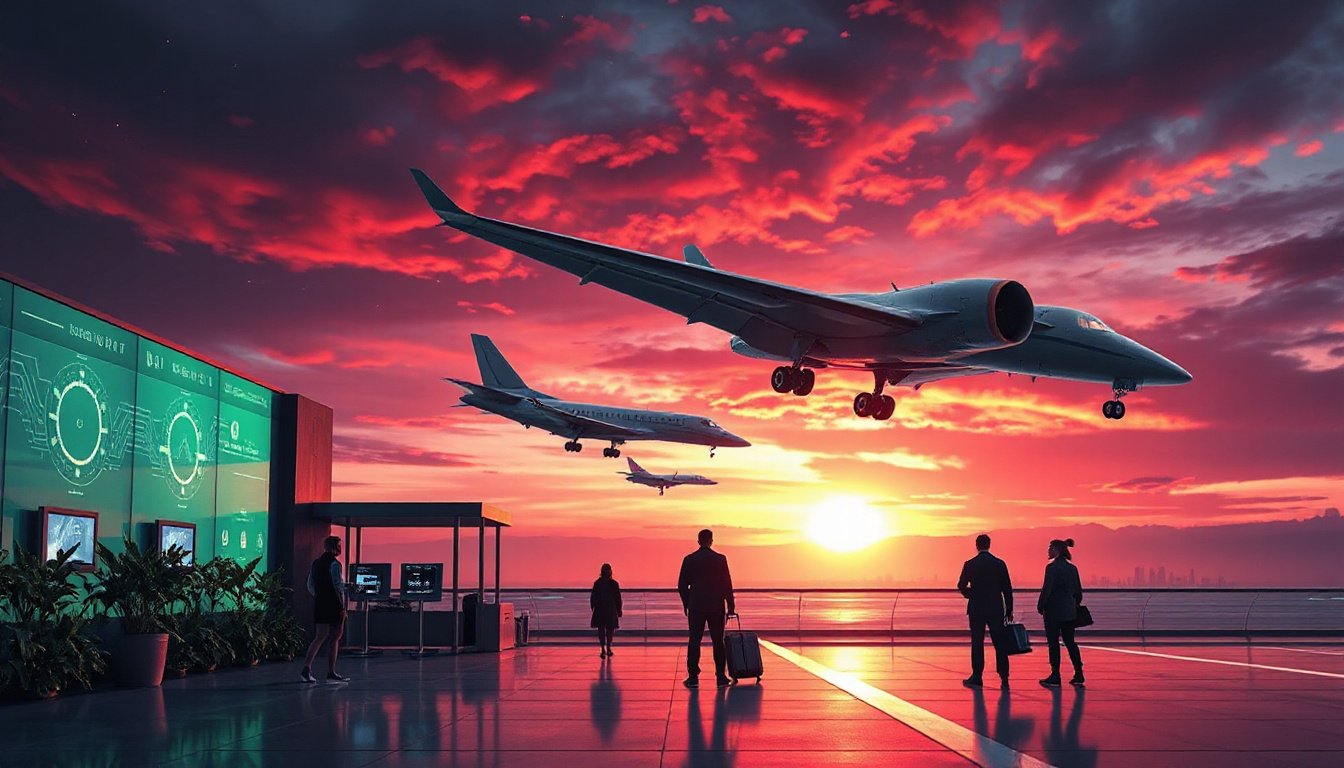
The dream of speedier air travel isn’t just a relic of the past—it’s becoming a reality with supersonic commercial flight once again taking centre stage. After the pioneering Concorde experience, the aviation industry is racing toward a new era of faster-than-sound travel. In this article, we’ll explore the evolution, technological advancements, and what passengers can expect from this emerging segment of aviation.
Grab your RavenCrest tactical kit here
 Grab your RavenCrest tactical kit here

Environmental Considerations and Challenges
As the aviation industry charts a course towards the revival of supersonic commercial flight, environmental considerations are taking center stage. Traditional supersonic aircraft, such as the Concorde, encountered significant backlash due to their high noise levels and fuel consumption. The sonic boom created by flying faster than the speed of sound not only posed a regulatory challenge but also raised concerns regarding its impact on communities beneath flight paths. Modern advancements aim to mitigate these effects through quieter operations and more efficient engines. For example, new designs are focusing on reducing sonic booms to levels acceptable for overland flight, enabling the potential for longer routes. However, the challenge of emissions remains critical, as supersonic jets typically utilise more fuel and emit higher levels of CO2 compared to their subsonic counterparts. Balancing the allure of rapid air travel with ecological responsibilities will be key for the future of supersonic aviation.
What Passengers Can Expect: Comfort and Experience
Supersonic commercial flight is set to revolutionise the way we experience air travel, promising not only speed but also enhanced comfort. Passengers can expect a vastly different atmosphere aboard these cutting-edge aircraft, which are designed to cater to modern needs. Innovations in cabin pressure, advanced soundproofing materials, and spacious seating configurations will significantly increase comfort, making lengthy journeys feel shorter. Additionally, the onboard experience will often feature gourmet meals prepared by renowned chefs and state-of-the-art entertainment systems. As the industry progresses towards sustainable practices, passengers may also enjoy a greener travel experience. With supersonic technology, the future of aviation looks exceedingly promising, enabling us to traverse global distances in hours rather than days.

The Future Market: Airlines and Potential Routes
The future of aviation is gearing up for a significant transformation with the advent of supersonic commercial flight. Airlines are already exploring potential routes that could leverage this groundbreaking technology, promising significant reductions in travel times. For example, a flight from New York to London that currently takes approximately seven hours could see that duration cut down to about three and a half hours with supersonic speeds. Airlines are investigating high-demand routes across the Atlantic and Pacific Oceans where the economic viability of supersonic flight is strongest, catering to business travelers and affluent tourists. There’s an aim to integrate these ultra-fast jets into existing networks, with partnerships and innovations likely reshaping the market. With the right regulatory support and technological advancements, the full realization of supersonic flight could redefine global travel logistics and open new avenues for international connectivity.
Frequently Asked Questions
What is supersonic commercial flight?
Supersonic commercial flight refers to air travel that exceeds the speed of sound, typically around 1,125 kilometers per hour (700 miles per hour). This allows passengers to reach their destinations much faster than conventional subsonic flights.
What advancements are driving the return of supersonic commercial flight?
Recent technological advancements include improvements in aerodynamics, advanced materials, quieter engines, and better fuel efficiency, which make it possible to develop new supersonic aircraft that can operate safely and economically.
What environmental challenges does supersonic commercial flight face?
Supersonic flight presents environmental challenges such as increased fuel consumption and the generation of sonic booms, which can lead to noise pollution. Ongoing research aims to mitigate these impacts through greener technologies.
How will supersonic flights affect passenger comfort and experience?
Passengers can expect enhanced comfort levels with more spacious seating, faster boarding processes, and reduced travel times. The cabin experience may also include modern amenities and improved in-flight service, making long-distance travel more enjoyable.
What airlines are currently planning or developing supersonic commercial flights?
Several airlines and manufacturers, including Boom Supersonic and Aerion Supersonic, are actively working on developing fleets of supersonic jets. These aircraft are expected to target lucrative international routes, significantly changing the future market for air travel.
Tech Aether is your go-to source for in-depth reviews, tutorials, and news on cutting-edge military and space technology. Some of the links in this article are affiliate links, which means we may earn a small commission at no extra cost to you—your support helps keep the lights on (and the rockets fueled!). Want more? Subscribe to our newsletter for weekly deep dives and catch our latest videos on YouTube.