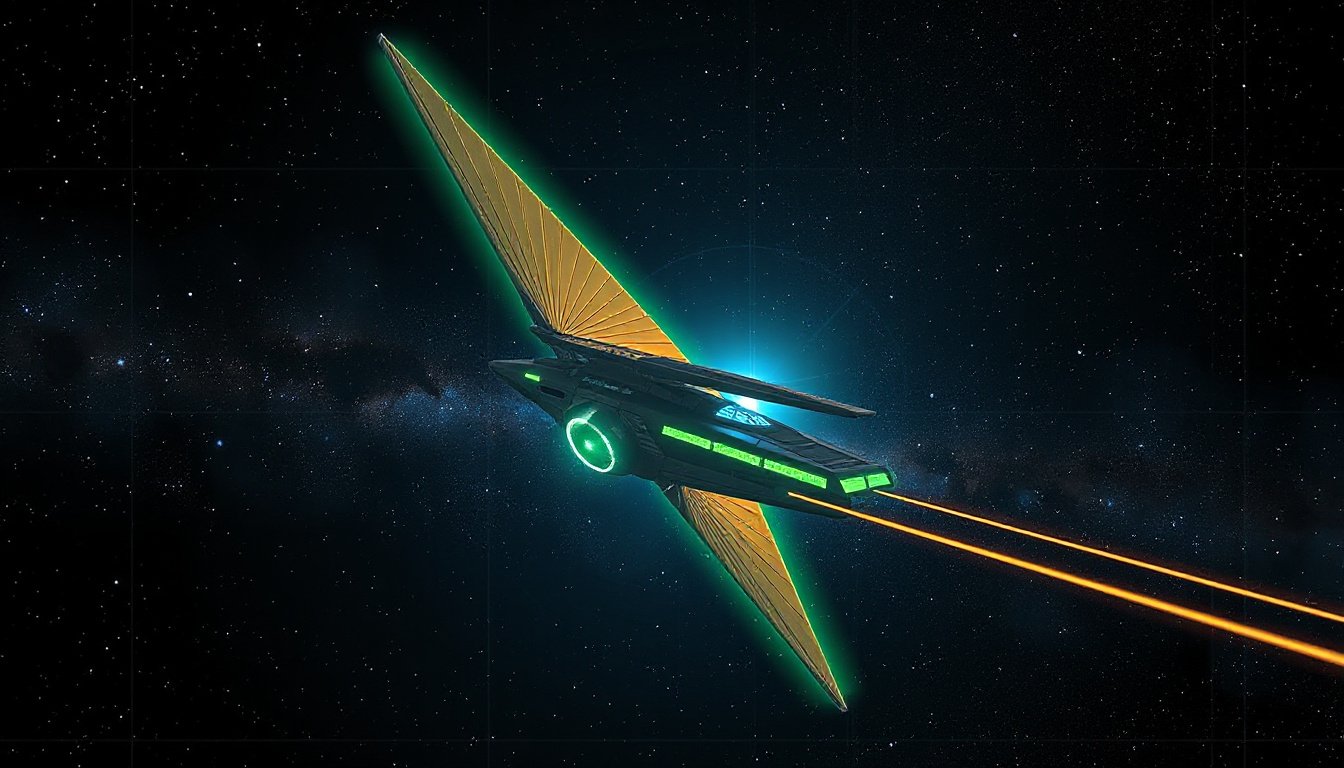
As humanity continues to expand its understanding of the cosmos, innovative technologies are paving the way for future space exploration. One such groundbreaking development is solar sail propulsion. This unique method harnesses sunlight to propel spacecraft, promising a more efficient and sustainable approach to interstellar travel. In this article, we will explore the intricacies of solar sail propulsion technology, its scientific foundations, and why it holds the key to the future of space travel.
Grab your RavenCrest tactical kit here
 Grab your RavenCrest tactical kit here

Challenges and Innovations in Solar Sail Development
Solar sail propulsion represents a groundbreaking method of space travel, leveraging the power of sunlight to propel spacecraft through the cosmos. This innovative technology faces several challenges, primarily centered around materials and durability. Lightweight, reflective materials must withstand the harsh conditions of space while maintaining structural integrity over extended missions. Additionally, engineers and scientists are exploring advanced innovations like sail deployment mechanisms and tracking systems to optimize navigation using solar pressure. These developments aim to create reliable propulsion systems capable of long-duration space missions, positioning solar sails as a promising step forward in sustainable space exploration.
Frequently Asked Questions
What is solar sail propulsion?
Solar sail propulsion is a method of spacecraft propulsion that uses large, reflective sails to harness solar radiation pressure from the Sun. By utilizing lightweight materials and a broad surface area, solar sails can gradually accelerate a spacecraft without the need for fuel-based propulsion systems.
How do solar sails work scientifically?
Solar sails work on the principle of photon pressure. Photons from sunlight exert a tiny but consistent force when they strike the surface of the sail, resulting in propulsion. As the solar sails capture these photons, they gain momentum, allowing the spacecraft to move through space.
What are the advantages of solar sail propulsion compared to conventional propulsion methods?
Solar sail propulsion has several advantages, including: 1) no need for fuel, reducing weight and increasing mission duration, 2) continuous low-thrust acceleration enabling higher speeds over time, and 3) the potential for long-term missions with minimal resource consumption.
Are there any current missions using solar sail technology?
Yes, several missions are utilizing solar sail technology. Notable examples include the Planetary Society’s LightSail missions, which aim to demonstrate solar sailing for future exploration, and Japan’s IKAROS mission, which successfully tested solar sail propulsion in 2010.
What are the main challenges facing solar sail development?
Main challenges include the development of lightweight, durable materials for the sails, precise navigation and control in space, and incorporating robust systems to manage the spacecraft’s trajectory under continuous thrust from solar radiation.
Tech Aether is your go-to source for in-depth reviews, tutorials, and news on cutting-edge military and space technology. Some of the links in this article are affiliate links, which means we may earn a small commission at no extra cost to you—your support helps keep the lights on (and the rockets fueled!). Want more? Subscribe to our newsletter for weekly deep dives and catch our latest videos on YouTube.