In an age where technological advancements redefine the battleground, hypersonic missile technology emerges as a game changer in modern warfare. Designed to travel faster than five times the speed of sound, these missiles promise unprecedented speed and lethality. This article delves into the intricacies of hypersonic missiles, examining their scientific foundations, current developments, and the impact they pose on global security.
Grab your RavenCrest tactical kit here
 Grab your RavenCrest tactical kit here

Current Developments in Hypersonic Missile Programs
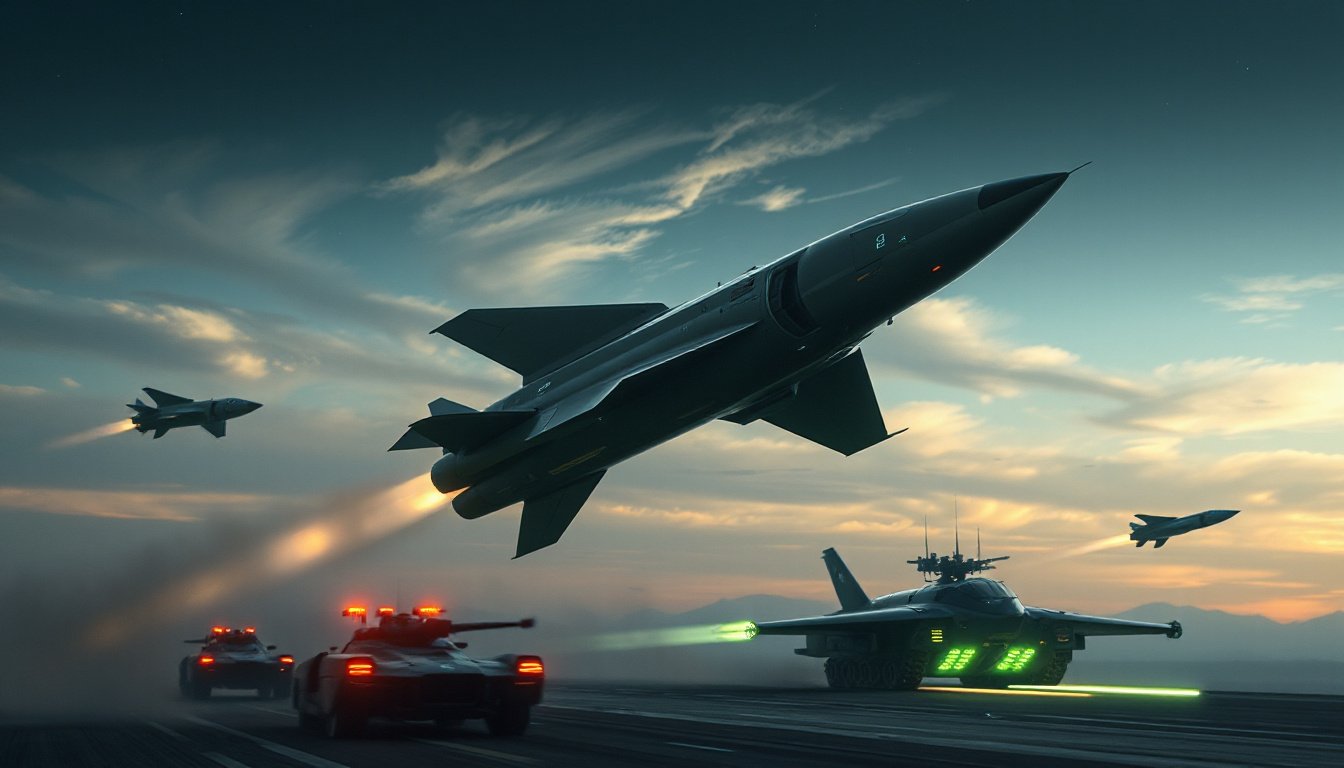
Hypersonic missile technology represents a paradigm shift in modern warfare, characterised by its ability to travel at speeds exceeding Mach 5 (approximately 6,174 km/h). Recent advancements in this field have intensified the global race among major military powers. For instance, the United States, Russia, and China are all in various stages of developing and deploying hypersonic systems. Russia’s Avangard missile system, for example, has successfully demonstrated its capabilities, while the U.S. is actively testing its own hypersonic glide vehicles (HGVs) and scramjet aircraft. These developments highlight not only the technological sophistication involved but also the strategic implications of deploying such fast and manoeuvrable weapons on the battlefield. As nations push the boundaries of hypersonic missile technology, the landscape of international defence and deterrence is rapidly evolving, prompting discussions about new tactical approaches and defence measures.
Implications for Global Security and Defense Strategies
The advent of hypersonic missile technology is poised to significantly alter global security dynamics and defense strategies. These missiles, capable of flying at speeds exceeding Mach 5, present a formidable challenge to current missile defense systems, which are typically designed to intercept slower threats. This shift not only affects military tactics but also has profound implications for international relations and deterrence strategies. Countries investing heavily in this technology, such as the United States, Russia, and China, are re-evaluating their defense postures and alliances, potentially leading to a new arms race. Understanding these implications is crucial for policymakers to navigate the complexities of global security effectively.

The Future: Challenges and Innovations in Hypersonic Technology
As we look to the future, Hypersonic Missile Technology stands at the forefront of global military advancements, presenting both formidable challenges and groundbreaking innovations. The primary challenge lies in effectively integrating hypersonic systems into existing military frameworks, which require updates to tactics, training, and infrastructure. Moreover, nations are racing to develop adequate tracking and defense systems capable of countering these missiles, which travel at speeds exceeding Mach
5. On the innovation side, the development of advanced materials that can withstand the extreme temperatures generated during hypersonic flight is essential. Innovations in guidance systems, such as AI-driven algorithms for improved accuracy and maneuverability, are also pivotal to enhancing the operational capabilities of these weapons. As countries invest heavily in this technology, the implications for global security are profound, necessitating a strategic approach to both defense and diplomacy.
Frequently Asked Questions
What are hypersonic missiles?
Hypersonic missiles are advanced weapons systems that can travel at speeds exceeding Mach 5 (five times the speed of sound), utilizing advanced aerodynamics and propulsion technologies to enhance maneuverability and evasion capabilities.
How does hypersonic missile technology differ from traditional missile technology?
Unlike traditional ballistic or cruise missiles, hypersonic missiles can travel within the Earth’s atmosphere at high speeds while capable of high maneuverability, making them harder to detect and intercept.
What are the current developments in hypersonic missile programs around the world?
Several countries, including the United States, China, and Russia, are actively developing hypersonic missile technologies, with various tests and prototypes being developed for military applications to enhance their defense capabilities.
What are the global security implications of hypersonic missile technology?
Hypersonic missile technology raises concerns for global security by potentially destabilizing existing military balances, prompting arms races, and complicating defense strategies due to the missile’s speed and maneuverability.
What challenges does hypersonic missile technology face in the future?
Challenges for the future of hypersonic missile technology include developing reliable materials that can withstand extreme speeds, maintaining guidance systems that function effectively at such velocities, and addressing international arms control concerns.
Tech Aether is your go-to source for in-depth reviews, tutorials, and news on cutting-edge military and space technology. Some of the links in this article are affiliate links, which means we may earn a small commission at no extra cost to you—your support helps keep the lights on (and the rockets fueled!). Want more? Subscribe to our newsletter for weekly deep dives and catch our latest videos on YouTube.