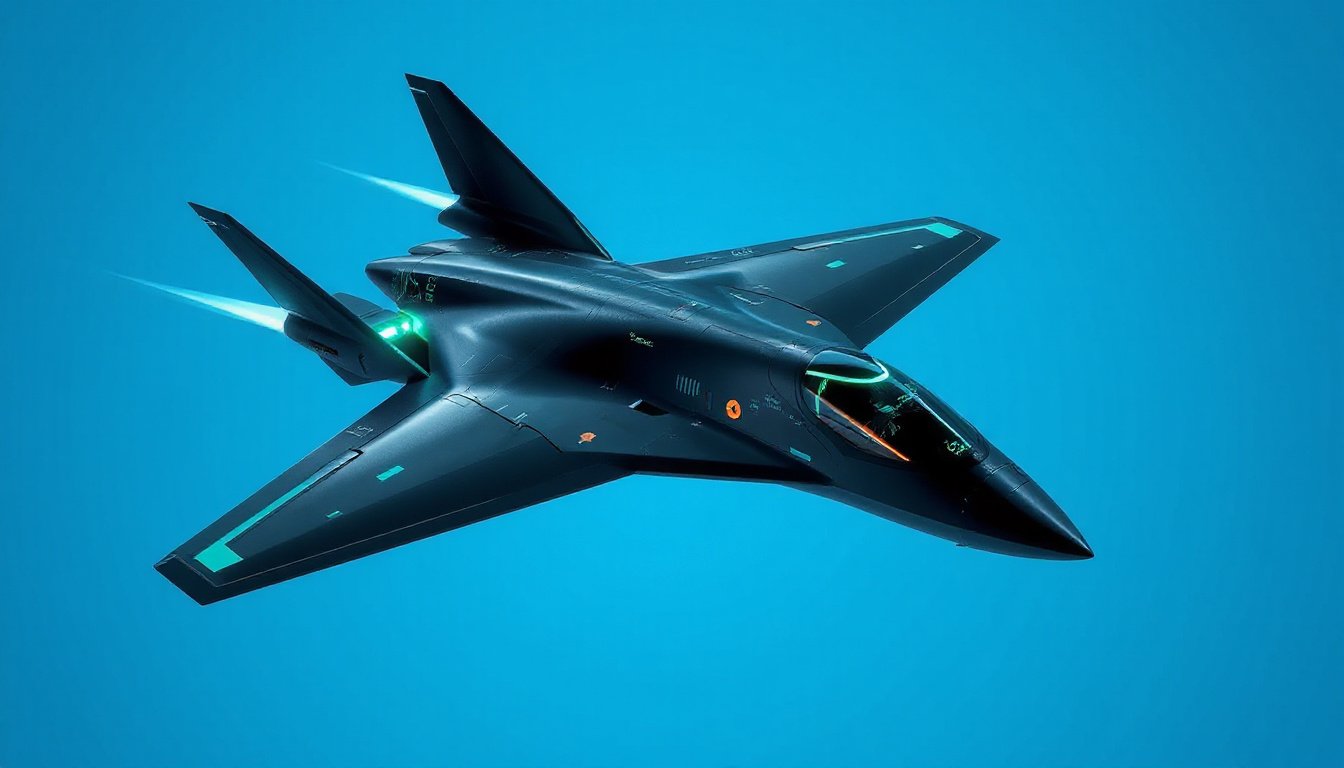
In the realm of military aviation, the phrase ‘stealth capabilities’ often evokes imagery of cutting-edge aircraft evading radar detection and empowering strategic dominance. Central to this technological marvel is the evolution of stealth materials in modern aircraft, which have revolutionised design and operational effectiveness. This article delves into the innovative world of stealth materials, exploring their scientific foundations, applications, and the future trajectory of this transformative technology.
Grab your RavenCrest tactical kit here
 Grab your RavenCrest tactical kit here

Future Trends in Stealth Material Development
The future of stealth materials in modern aircraft lies in the continuous innovation of composites and coatings that can further reduce radar visibility. Researchers are experimenting with nanomaterials and metamaterials that manipulate electromagnetic waves, providing unprecedented stealth capabilities. As military operations evolve, these materials will not only mitigate infrared signatures but also enhance the structural integrity of aircraft, reducing weight without compromising performance. Enhanced stealth technologies will lead to the development of next-generation fighter jets and UAVs, ensuring air superiority in increasingly contested environments.
Frequently Asked Questions
What are stealth materials?
Stealth materials are advanced materials designed to reduce the radar cross-section of aircraft, making them less detectable by radar systems. These materials can absorb or deflect electromagnetic waves.
How do stealth materials work in modern aircraft design?
Stealth materials work by utilizing a combination of specialized coatings, shapes, and internal structures that disrupt radar signals, minimizing the likelihood of detection and improving the aircraft’s survivability during missions.
What are some benefits of using stealth materials in aircraft?
The main benefits of using stealth materials include enhanced evasion capabilities from enemy radar, improved operational flexibility, and increased safety for military operations.
What challenges are associated with incorporating stealth materials into aircraft designs?
Challenges include the high cost of production, potential impacts on aircraft weight and performance, and the need for ongoing research to improve the effectiveness and sustainability of these materials.
What does the future hold for stealth material development in aviation?
Future trends may include the development of more advanced composites, improved radar-absorbing materials, and innovations in smart materials that can adapt their properties for enhanced stealth capabilities.
Tech Aether is your go-to source for in-depth reviews, tutorials, and news on cutting-edge military and space technology. Some of the links in this article are affiliate links, which means we may earn a small commission at no extra cost to you—your support helps keep the lights on (and the rockets fueled!). Want more? Subscribe to our newsletter for weekly deep dives and catch our latest videos on YouTube.