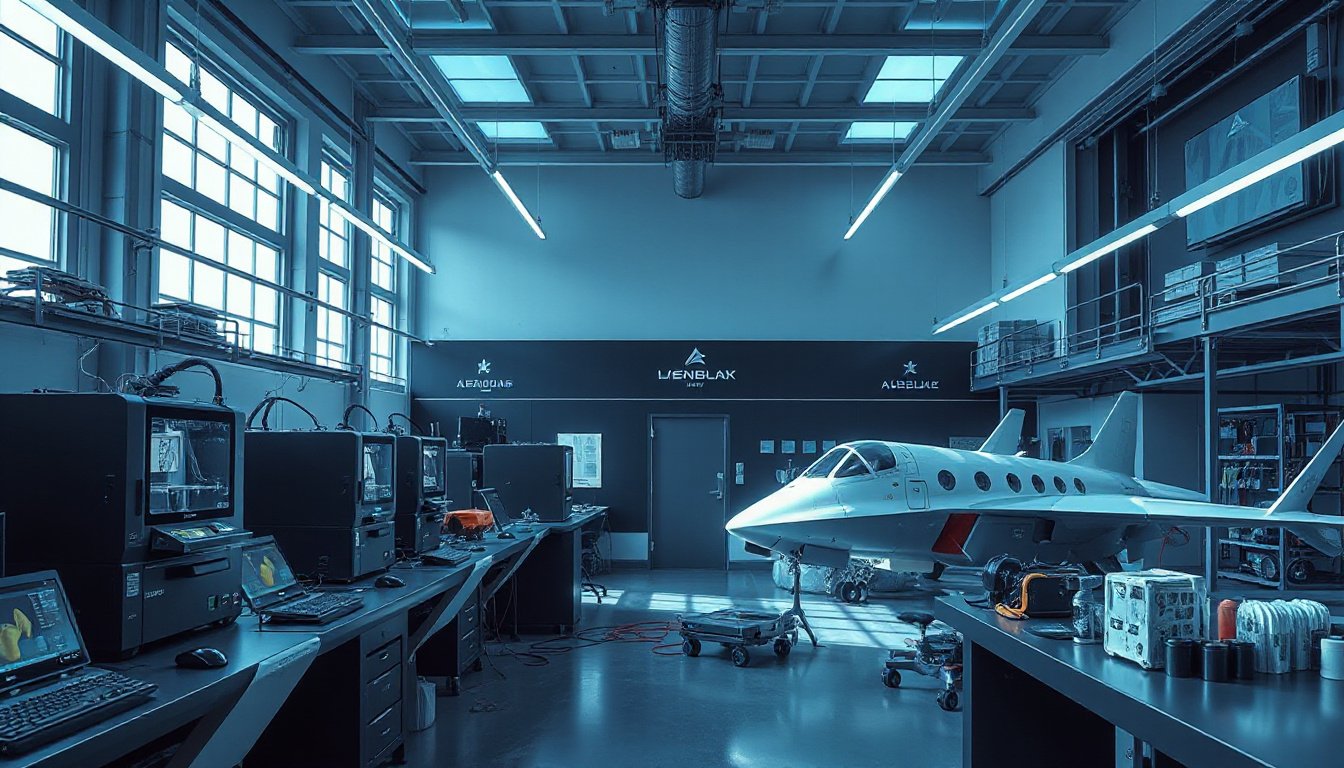
Space debris has emerged as a critical challenge for the future of both military and civilian space activities. As the presence of defunct satellites and other debris orbiting our planet increases, effective space debris mitigation strategies become paramount to ensure the sustainability of space operations. In this article, we will explore various strategies for mitigating space debris, delving into facts and challenges, current regulations, innovative technologies, best practices for satellite design, and the future of international cooperation in addressing this pressing issue.
Grab your RavenCrest tactical kit here
 Grab your RavenCrest tactical kit here

Technological Innovations in Space Debris Removal
As the issue of space debris intensifies, Space Debris Mitigation Strategies have become crucial for maintaining a sustainable orbital environment. These strategies encompass a range of technological innovations aimed at removing or deorbiting defunct satellites and other debris. For instance, active debris removal (ADR) systems, such as nets and harpoons, are being developed to capture and safely dispose of large debris items. Additionally, companies are exploring the use of robotic arms and specialized spacecraft designed to rendezvous with defunct satellites, enabling precise deorbiting maneuvers. Moreover, advancements in propulsion technologies allow for more effective post-mission disposal methods, ensuring that satellites are deorbited promptly after completing their operational lifespans. By implementing robust space debris mitigation strategies, the space industry can enhance the safety of future missions and preserve the orbital environment for generations to come.
Best Practices for Satellite Design and Operation
As the number of satellites in orbit increases, the risk of collisions rises significantly, highlighting the urgency of effective Space Debris Mitigation Strategies. Best practices for satellite design and operation focus on minimizing the creation of debris and facilitating the safe deorbiting of end-of-life spacecraft. Key strategies include employing lower orbits for satellites to reduce their operational lifespan and incorporating deorbit systems that ensure satellites re-enter the atmosphere safely at the end of their missions. Moreover, design features such as grab bars or nets can facilitate the capture and removal of defunct satellites, further reducing collision risks. Continuous monitoring and compliance with international debris mitigation guidelines also play critical roles in maintaining sustainable use of space.

Future Directions and International Cooperation in Debris Mitigation
As global satellite launches increase, future directions in Space Debris Mitigation Strategies must focus on international cooperation. Various countries are prioritising sustainable space practices, recognising that space debris poses a collective challenge that transcends national borders. Collaborative frameworks, such as the United Nations Office for Outer Space Affairs, facilitate partnerships to establish common guidelines for debris management and satellite end-of-life protocols. For example, nations could implement joint debris removal missions, enhancing resource efficiency and sharing technological advancements. As we progress, fostering a culture of responsibility and alignment among space-faring nations will be crucial not only for safeguarding current missions but also for ensuring the long-term sustainability of outer space activities.
Frequently Asked Questions
What is space debris and why is it a concern?
Space debris refers to defunct satellites, spent rocket stages, and other fragments left in orbit around Earth. It poses a significant risk to operational satellites and the International Space Station, as collisions can create more debris and jeopardize future space missions.
What are the current regulations regarding space debris mitigation?
Current regulations include guidelines established by organizations such as the Inter-Agency Space Debris Coordination Committee (IADC) and the United Nations Committee on the Peaceful Uses of Outer Space. These guidelines provide recommendations for satellite design, operation, and end-of-life disposal to minimize debris generation.
What technological innovations are being developed for space debris removal?
Innovative technologies for space debris removal include robotic arms, nets, harpoons, and laser systems used to deorbit large debris items. Additionally, proposals for using ‘space tugs’ to reposition defunct satellites are under exploration.
What best practices should satellite operators follow to mitigate space debris?
Best practices for satellite design and operation include ensuring a controlled re-entry plan at the end of a satellite’s life, minimizing the release of debris during operation, and implementing redundancy in satellite systems to prevent failures that could lead to collisions.
How can international cooperation enhance debris mitigation efforts?
International cooperation is crucial for establishing universal guidelines and sharing technology and resources for debris mitigation. Collaborative initiatives can also promote joint cleanup missions and the development of comprehensive frameworks to address space debris on a global scale.
Tech Aether is your go-to source for in-depth reviews, tutorials, and news on cutting-edge military and space technology. Some of the links in this article are affiliate links, which means we may earn a small commission at no extra cost to you—your support helps keep the lights on (and the rockets fueled!). Want more? Subscribe to our newsletter for weekly deep dives and catch our latest videos on YouTube.