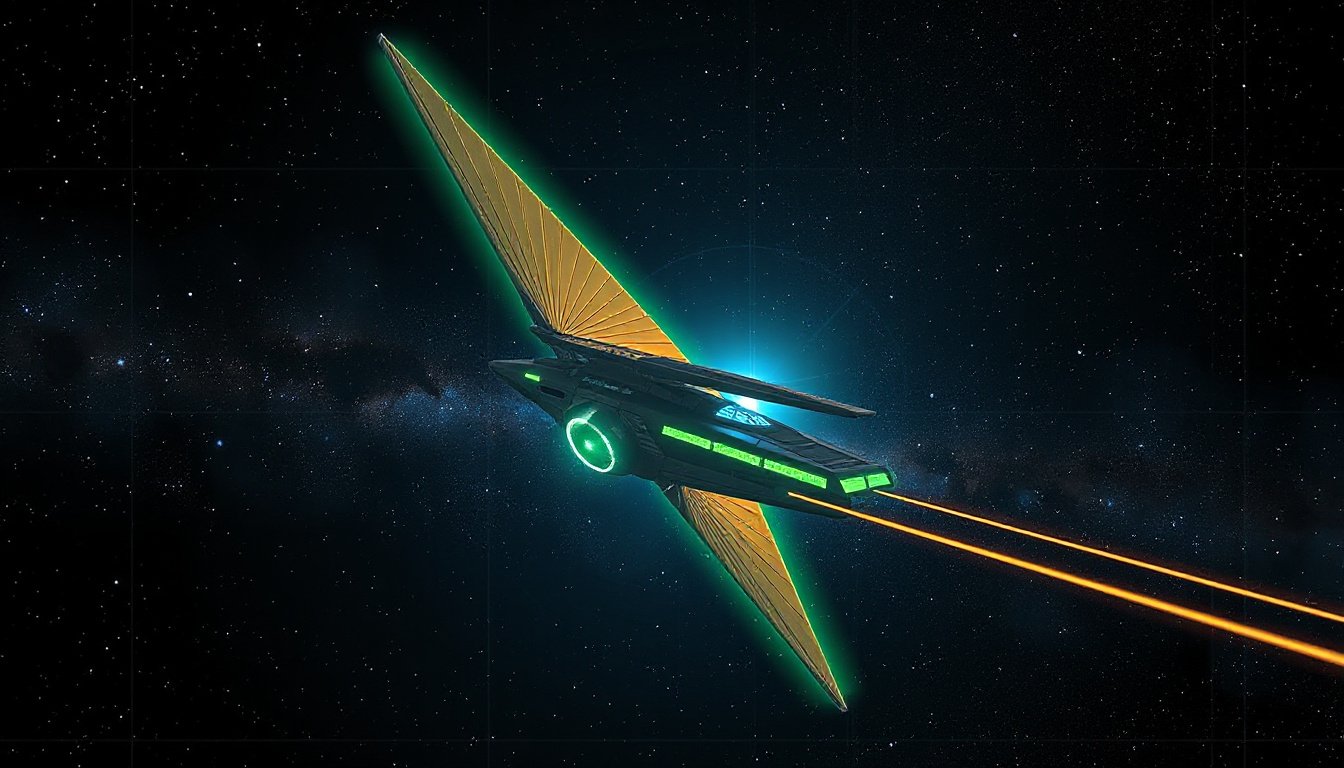
In recent years, the development of hypersonic glide vehicles has captured the attention of military strategists and technology enthusiasts alike. As nations race to harness this cutting-edge technology, understanding the mechanics and implications of these vehicles becomes essential. From revolutionary speed capabilities to redefining defense strategies, hypersonic glide vehicles are poised to unlock a new era in warfare.
Grab your RavenCrest tactical kit here
 Grab your RavenCrest tactical kit here

The Future of Warfare with Hypersonic Technology
As the landscape of modern warfare evolves, hypersonic glide vehicles (HGVs) are emerging as a game-changing technology. These cutting-edge systems travel at speeds exceeding Mach 5, enabling them to outpace traditional missile defense systems. Their ability to maintain a low altitude and unpredictable flight path complicates interception efforts, presenting nations with a new advantage in delivering precision strikes at unprecedented speeds. In this section, we will explore the implications of HGVs on future military strategies, including their potential roles in rapid response, deterrence, and the reshaping of global defense postures.
Frequently Asked Questions
What are Hypersonic Glide Vehicles?
Hypersonic Glide Vehicles (HGVs) are advanced weapons systems that can travel at speeds exceeding Mach 5, or five times the speed of sound, while maneuvering through the atmosphere. They are designed to enhance strike capabilities and swiftly penetrate defenses.
How do Hypersonic Glide Vehicles work?
HGVs utilize a combination of rocket propulsion to reach high altitudes and speeds, followed by a gliding phase where they travel within the atmosphere, making them difficult to detect and intercept.
What strategic advantages do Hypersonic Glide Vehicles offer?
Hypersonic Glide Vehicles provide several strategic advantages, including enhanced speed, improved payload delivery, reduced response time, and the ability to evade existing missile defense systems, making them a significant asset in modern warfare.
What challenges do Hypersonic Glide Vehicles face?
While promising, HGVs face several challenges including technical difficulties in manufacturing, the need for reliable guidance systems, the risk of overheating during reentry, and concerns regarding international arms control and escalation.
What does the future hold for warfare with Hypersonic Technology?
The future of warfare with hypersonic technology suggests an arms race among nations to develop and deploy HGVs, leading to new strategic doctrines and defense systems, along with raising ethical questions regarding military engagements and global security.
Tech Aether is your go-to source for in-depth reviews, tutorials, and news on cutting-edge military and space technology. Some of the links in this article are affiliate links, which means we may earn a small commission at no extra cost to you—your support helps keep the lights on (and the rockets fueled!). Want more? Subscribe to our newsletter for weekly deep dives and catch our latest videos on YouTube.