In the realm of military aviation, the phrase ‘stealth capabilities’ often evokes imagery of cutting-edge aircraft evading radar detection and empowering strategic dominance. Central to this technological marvel is the evolution of stealth materials in modern aircraft, which have revolutionised design and operational effectiveness. This article delves into the innovative world of stealth materials, exploring their scientific foundations, applications, and the future trajectory of this transformative technology.

Grab your RavenCrest tactical kit here

Revolutionizing Aviation: The Impact of <b>Stealth Materials in Modern Aircraft</b> Design’ style=’display: block; margin: auto; max-width: 100%; height: auto;’></p>
<h2 id="key-takeaways">Key Takeaways</h2>
<ul>
<li>Stealth materials significantly enhance the radar evasion capabilities of modern aircraft.</li>
<li>The science behind stealth technology involves innovative material compositions that absorb or deflect radar waves.</li>
<li>Applications of stealth materials extend beyond military aircraft, influencing commercial aviation design.</li>
<li>While stealth materials offer numerous benefits, they also present challenges in terms of cost and maintenance.</li>
<li>Future trends indicate continued advancements in stealth material technology, promising even more effective and versatile applications.</li>
</ul>
<h3 id="introduction-to-stealth-materials">Introduction to Stealth Materials</h3>
<p>In recent years, <b>stealth materials in modern aircraft</b> have transformed the landscape of military aviation, providing unprecedented levels of radar evasion and operational effectiveness. These advanced materials enable aircraft to avoid detection, ensuring mission success and enhancing survivability in hostile environments. As technological advancements continue to push the boundaries of what’s possible, the integration of these materials into new aircraft designs is critical. Understanding the role of stealth materials is essential for anyone interested in modern military technology, as it highlights ongoing innovations that shape air combat strategies globally.</p>
<h3 id="the-science-behind-stealth-technology">The Science Behind Stealth Technology</h3>
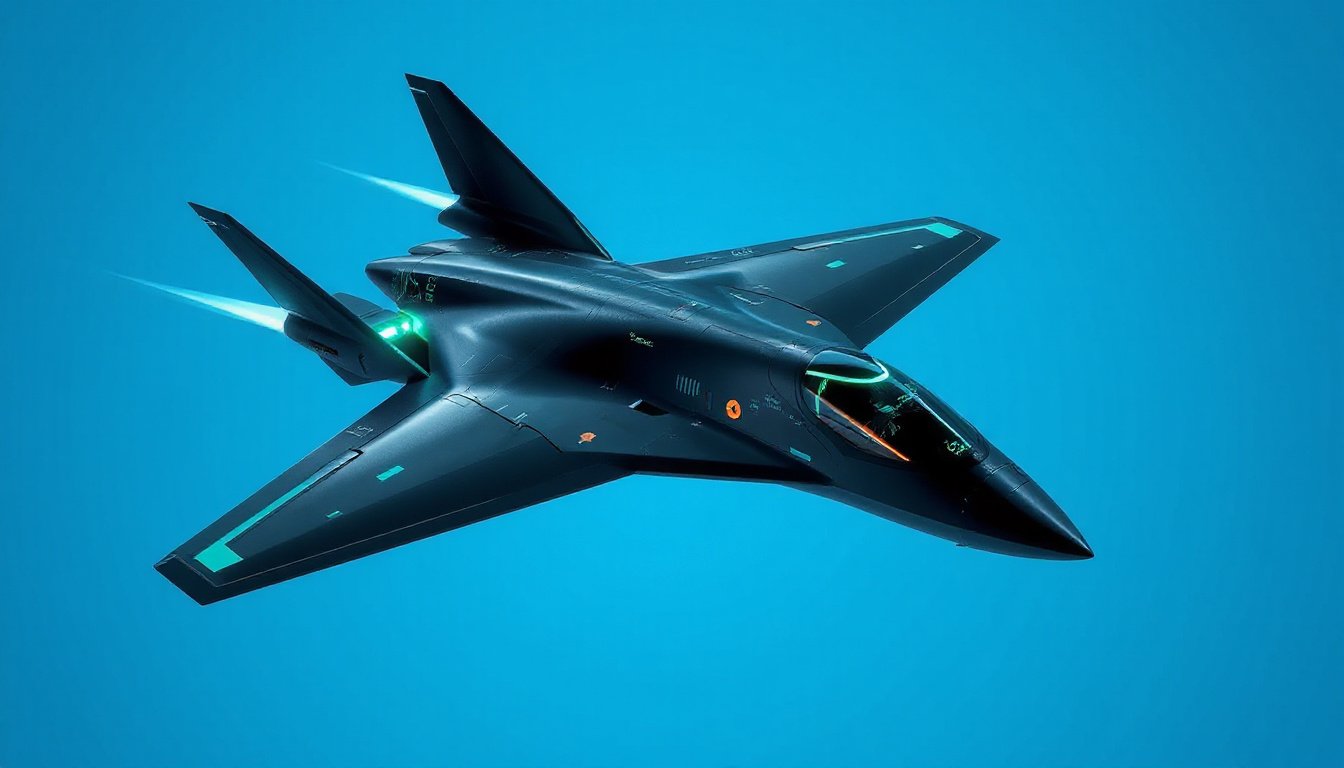
<p>Stealth technology has revolutionised modern military aviation, offering unprecedented levels of concealment from enemy radar systems. At the heart of this innovation are <b>stealth materials in modern aircraft</b>, which are designed to absorb or deflect radar waves. These materials typically include advanced composites and coatings that reduce an aircraft’s radar cross-section (RCS). For example, the F-22 Raptor and B-2 Spirit utilize radar-absorbent materials (RAM) to minimise their visibility. This integration of science and engineering not only enhances survivability in hostile environments but also allows for more strategic positioning during missions. Understanding the characteristics and applications of these stealth materials is crucial for advancements in both military aviation and future aerospace designs.</p>
<blockquote><p>‘The art of flying is to be light and agile, to be invisible when needed, yet prepared to strike with precision—stealth is the silent partner of modern aviation.’ – Unknown</p></blockquote>
<p><a href=Grab your RavenCrest tactical kit here

Applications of <b>Stealth Materials in Modern Aircraft</b>‘ style=’display: block; margin: auto; max-width: 100%; height: auto;’></p>
<h3 id="applications-of-stealth-materials-in-modern-aircraft">Applications of <b>Stealth Materials in Modern Aircraft</b></h3>
<p><b>Stealth materials in modern aircraft</b> are revolutionising aviation technology by significantly reducing an aircraft’s radar cross-section. These advanced materials include radar-absorbing substances that can camouflage military vehicles against detection. Applications range from fighter jets, like the F-35 Lightning II, to bombers, such as the B-2 Spirit, showcasing how these materials can enhance mission success rates. Beyond their offensive capabilities, stealth materials also serve defensive roles by ensuring that sensitive missions can be conducted without alerting adversaries. The continued advancement of these technologies points to a future where even the best radar systems may struggle to identify stealth-equipped aircraft, thereby shifting the balance in air combat scenarios.</p>
<h3 id="benefits-and-challenges-of-using-stealth-materials">Benefits and Challenges of Using Stealth Materials</h3>
<p><b>Stealth materials in modern aircraft</b> play a crucial role in advancing military capabilities while simultaneously posing unique challenges. The primary benefit of these materials is their ability to absorb or deflect radar waves, significantly reducing aircraft visibility to enemy detection systems. This enhanced stealth capability provides tactical advantages during missions, allowing for surprise attacks and increased survivability. </p>
<p>However, the use of stealth materials is not without its challenges. These advanced composites can be costly to produce and may require specialized manufacturing processes, which can complicate maintenance and repair efforts. Additionally, while stealth materials effectively minimize radar cross-section, they may not fully mask infrared or other detection methods, necessitating a multifaceted approach to stealth technology. Understanding both the benefits and challenges of using stealth materials is essential for future advancements in military aviation.</p>
<p><img src=

The future of stealth materials in modern aircraft lies in the continuous innovation of composites and coatings that can further reduce radar visibility. Researchers are experimenting with nanomaterials and metamaterials that manipulate electromagnetic waves, providing unprecedented stealth capabilities. As military operations evolve, these materials will not only mitigate infrared signatures but also enhance the structural integrity of aircraft, reducing weight without compromising performance. Enhanced stealth technologies will lead to the development of next-generation fighter jets and UAVs, ensuring air superiority in increasingly contested environments.

Frequently Asked Questions

What are stealth materials?

Stealth materials are advanced materials designed to reduce the radar cross-section of aircraft, making them less detectable by radar systems. These materials can absorb or deflect electromagnetic waves.

How do stealth materials work in modern aircraft design?

Stealth materials work by utilizing a combination of specialized coatings, shapes, and internal structures that disrupt radar signals, minimizing the likelihood of detection and improving the aircraft’s survivability during missions.

What are some benefits of using stealth materials in aircraft?

The main benefits of using stealth materials include enhanced evasion capabilities from enemy radar, improved operational flexibility, and increased safety for military operations.

What challenges are associated with incorporating stealth materials into aircraft designs?

Challenges include the high cost of production, potential impacts on aircraft weight and performance, and the need for ongoing research to improve the effectiveness and sustainability of these materials.

What does the future hold for stealth material development in aviation?

Future trends may include the development of more advanced composites, improved radar-absorbing materials, and innovations in smart materials that can adapt their properties for enhanced stealth capabilities.

Tech Aether is your go-to source for in-depth reviews, tutorials, and news on cutting-edge military and space technology. Some of the links in this article are affiliate links, which means we may earn a small commission at no extra cost to you—your support helps keep the lights on (and the rockets fueled!). Want more? Subscribe to our newsletter for weekly deep dives and catch our latest videos on YouTube.